
Oral Hygiene Maintenance: Essential Tips for a Healthy Smile
Discover expert oral hygiene tips Kanpur residents trust for lifelong dental health. From proper brushing techniques to professional dental cleaning scaling, The Crown Dental Clinic shares everything you need to know.
A healthy smile is more than just an aesthetic asset — it is a vital indicator of your overall well-being. In India, dental caries affects a staggering 80 to 95 percent of the population, while periodontal diseases impact an estimated 50 to 90 percent depending on age group, according to the Indian Dental Association. Despite these alarming statistics, most oral health conditions are largely preventable through consistent daily care and regular professional intervention. Whether you are searching for practical oral hygiene tips Kanpur dentists recommend or want to understand the transformative benefits of dental cleaning scaling, this comprehensive guide from The Crown Dental Clinic will walk you through every essential step to maintain a radiant, healthy smile for life.
Why Oral Hygiene Matters: The Hidden Connection Between Your Mouth and Your Body
Your mouth is the gateway to your body, and the state of your oral health reflects — and influences — your overall physical condition. Research published by the Mayo Clinic confirms that poor oral hygiene allows bacteria to reach levels that can lead to oral infections such as tooth decay and gum disease. More critically, these same bacteria and the inflammation they cause have been linked to serious systemic health conditions, including cardiovascular disease, diabetes complications, respiratory infections, and adverse pregnancy outcomes.
A systematic review published in the National Center for Biotechnology Information (NCBI) evaluated the impact of oral hygiene practices on cardiometabolic risk and found a significant association between poor oral health and increased incidence of cardiovascular disease. This means that the simple act of brushing, flossing, and visiting your dentist regularly does far more than protect your teeth — it safeguards your heart, your metabolism, and your longevity.
In Kanpur, where dietary habits often include sugary teas, sticky sweets, and carbohydrate-rich foods, the risk of dental problems is amplified. The Crown Dental Clinic has observed that many patients only seek treatment when pain becomes unbearable — by which point, damage is often irreversible. Preventive care, built on a foundation of daily oral hygiene and regular professional checkups, is the most effective and economical way to avoid costly and painful dental interventions.
Mastering the Art of Brushing: Techniques That Actually Work
Brushing your teeth seems straightforward, yet studies show that a significant portion of the population does not brush effectively. The American Dental Association (ADA) recommends brushing twice daily with a fluoride toothpaste for at least two minutes each session. However, the how matters just as much as the how often. Here are the most effective brushing techniques recommended by dental professionals at The Crown Dental Clinic:
The Modified Bass Technique
Hold your toothbrush at a 45-degree angle to the gum line. Use gentle, short, circular motions to clean the area where the tooth meets the gum — this is where plaque accumulates most aggressively. Brush the outer surfaces, inner surfaces, and chewing surfaces of all teeth systematically.
Two-Minute Rule
Divide your mouth into four quadrants and spend 30 seconds on each. Many electric toothbrushes have built-in timers, but a simple smartphone timer works equally well. Rushing through brushing leaves plaque behind, which hardens into tartar within 24 to 72 hours.
Replace Your Brush Regularly
Change your toothbrush or electric brush head every 3 to 4 months, or sooner if the bristles become frayed. Worn bristles lose their cleaning efficiency and can actually damage gum tissue.
Do Not Forget Your Tongue
Bacteria accumulate on the tongue surface and are a leading cause of bad breath (halitosis). Use a tongue scraper or brush your tongue gently from back to front after brushing your teeth.
Choosing the right toothbrush is equally important. The Mayo Clinic specifically recommends using a brush with soft bristles, as medium and hard bristles can wear down tooth enamel and cause gum recession over time. For patients in Kanpur, where water fluoridation is not standardized, using a fluoride toothpaste is especially critical — fluoride strengthens enamel and helps reverse early stages of tooth decay.

Comprehensive oral hygiene maintenance poster — your daily checklist for a healthy smile
The Critical Role of Flossing: Reaching Where Your Brush Cannot
If brushing is the first line of defense, flossing is the indispensable second. A 2024 study published in Springer found that both water jet flossing and traditional interdental flossing were effective in reducing plaque accumulation and gingival bleeding. Furthermore, research published in ResearchGate demonstrated that individuals who routinely flossed experienced a significant decrease in gum inflammation compared to those who did not.
Despite this compelling evidence, flossing remains the most neglected aspect of daily oral care. The ADA reports that only about 30% of the population flosses daily. Here is why you should join that minority — and how to do it correctly:
- Plaque Removal Between Teeth: Your toothbrush bristles cannot reach the tight spaces between teeth where food particles and bacteria hide. Flossing removes this debris before it calcifies into tartar, which can only be removed by a dental professional.
- Gum Disease Prevention: Bacteria between teeth produce acids that irritate gums, leading to gingivitis (early gum disease) and eventually periodontitis. Daily flossing disrupts this bacterial colonization.
- Cavity Prevention: Interdental cavities are among the most difficult to treat and often require more extensive procedures like fillings or root canals. Flossing prevents these by removing the plaque that causes decay between teeth.
- Fresh Breath: Decomposing food particles between teeth are a primary cause of persistent bad breath. Flossing eliminates this source of odor.
Proper Flossing Technique
Break off about 18 inches of floss and wind it around your middle fingers, leaving about 1-2 inches to work with. Gently slide the floss between your teeth using a sawing motion. Curve the floss into a C-shape around each tooth and slide it under the gum line. Use a clean section of floss for each tooth. If traditional floss feels cumbersome, consider interdental brushes, floss picks, or water flossers — all of which are effective alternatives validated by dental research.
Plaque Reduction Comparison: Brushing Alone vs. Brushing + Flossing
Dental Cleaning Scaling: Why Every 6 Months Matters
No matter how diligently you brush and floss, there are areas in your mouth that simply cannot be adequately cleaned at home. This is where professional dental cleaning scaling becomes essential. Even with perfect home care, plaque that is not completely removed within 24 to 72 hours hardens into calculus (tartar) — a cement-like substance that bonds to tooth surfaces and can only be removed with specialized dental instruments.
The Indian Dental Association reports that calculus prevalence in the Indian adult population is significantly high, contributing to the 89.2% periodontal disease rate observed in adults. Regular professional scaling every six months is the most effective way to break this cycle and maintain optimal oral health.

Before and after professional dental cleaning — the visible difference scaling makes
What Happens During a Professional Cleaning?
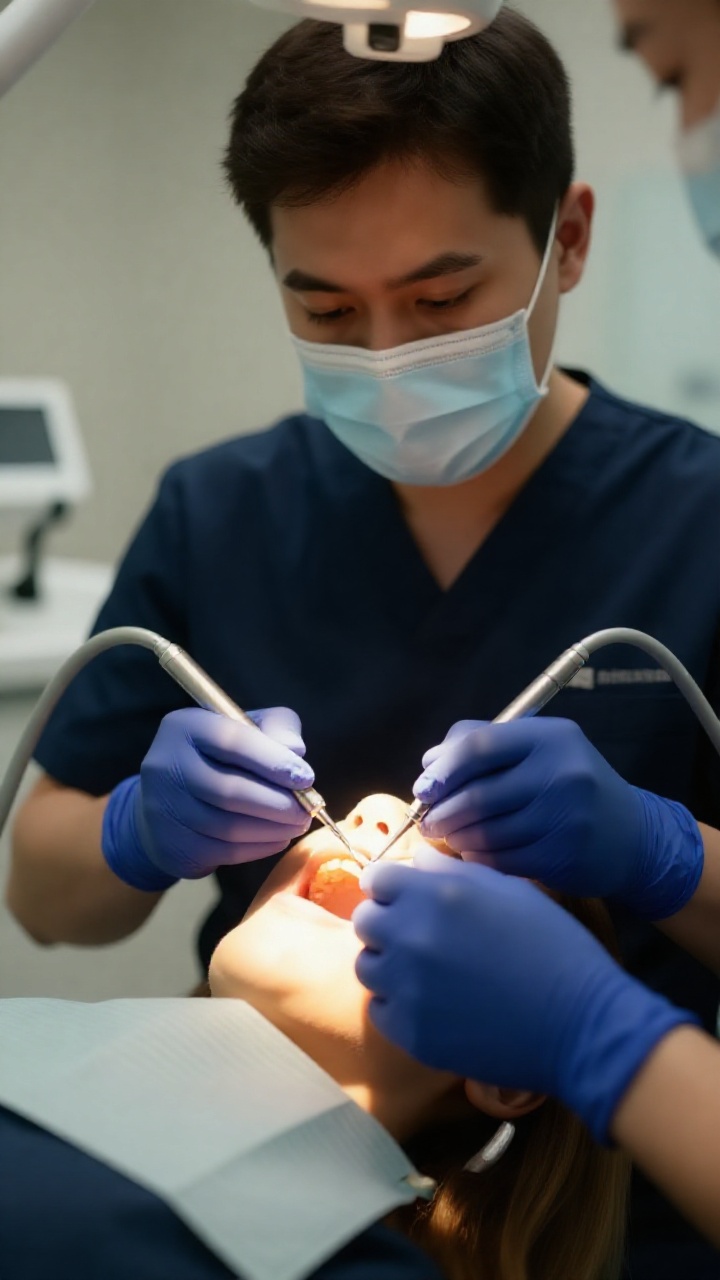
A professional dental cleaning at The Crown Dental Clinic involves several key steps designed to thoroughly clean and protect your teeth:
- Physical Examination: Your dental hygienist examines your entire mouth using a small mirror to identify signs of gingivitis, plaque buildup, tartar deposits, and other oral health concerns before beginning the cleaning.
- Scaling: Using specialized hand instruments and ultrasonic scalers, the hygienist removes plaque and tartar from above and below the gum line. The ultrasonic scaler uses gentle vibrations to break apart hardened tartar, while a water spray washes away debris.
- Root Planing (if needed): For patients with early signs of gum disease, root planing smooths the root surfaces of teeth, helping gums reattach firmly and eliminating pockets where bacteria thrive.
- Polishing: A professional-grade prophylaxis paste is applied with a rotating rubber cup to remove surface stains and leave teeth feeling silky smooth.
- Fluoride Application: A concentrated fluoride treatment strengthens enamel and provides extended protection against decay between visits.
Periodontal Disease Progression: Regular Scaling vs. No Professional Care
Many patients worry that scaling weakens teeth or causes sensitivity. This is a common myth. Professional scaling does not damage enamel — it removes the harmful deposits that cause damage. Mild sensitivity after cleaning is temporary and usually resolves within a day or two. The long-term benefits of regular scaling far outweigh any momentary discomfort.
“Preventive dental care is not an expense — it is an investment in your health. The cost of a routine cleaning is a fraction of what a root canal, extraction, or implant would cost. At The Crown Dental Clinic, we believe every patient in Kanpur deserves access to quality preventive care.”
Diet and Oral Health: What You Eat Shapes Your Smile
Your diet plays a profound role in your oral health. The World Health Organization identifies free sugars as the primary dietary factor in the development of dental caries. Every time you consume sugary foods or beverages, the bacteria in your mouth feed on these sugars and produce acids that attack tooth enamel for up to 20 minutes after each exposure.
Foods and Their Impact on Oral Health
| Food Category | Examples | Effect on Oral Health | Recommendation |
|---|---|---|---|
| Sugary Foods | Candies, chocolates, jalebi, gulab jamun | High acid production, rapid enamel erosion | Limit intake; rinse mouth with water after consumption |
| Acidic Beverages | Soft drinks, lemon water, energy drinks | Direct enamel erosion, increased cavity risk | Use a straw; wait 30 min before brushing |
| Sticky Foods | Dried fruits, namkeen with jaggery, chips | Prolonged sugar/starch exposure on teeth | Brush or floss soon after eating |
| Calcium-Rich Foods | Milk, cheese, yogurt, paneer | Strengthens enamel, neutralizes acids | Include daily in your diet |
| Crunchy Vegetables | Carrots, celery, cucumbers | Stimulates saliva, natural cleaning action | Eat as snacks; excellent for teeth |
| Green Tea | Unsweetened green tea | Contains polyphenols that suppress bacteria | 1-2 cups daily; avoid adding sugar |
| Water | Plain fluoridated water | Washes away food particles, dilutes acids | Drink 8+ glasses daily; especially after meals |
In Kanpur’s cultural context, where tea with sugar (chai) is consumed multiple times daily and festival sweets are abundant, mindful dietary habits are particularly crucial. Try gradually reducing sugar in your chai, substitute dried fruits for processed sweets, and always rinse your mouth with water after consuming sugary or acidic foods. These small changes, combined with the oral hygiene tips Kanpur dental professionals recommend, can dramatically reduce your risk of cavities and gum disease.
Preventive Care for Every Age: Tailored Oral Hygiene Across Life Stages
Oral hygiene needs evolve throughout life. What works for a toddler differs significantly from what a teenager, adult, or senior requires. The Crown Dental Clinic provides age-specific preventive care guidance for every member of your family:
Children (Ages 1-12)
The WHO reports that dental caries is the most common non-communicable disease in children globally. In India, the prevalence of dental caries in children ranges from 50% to 76% depending on age group and region. For children, establishing good oral habits early is critical. Parents should begin cleaning their baby’s gums with a soft cloth even before the first tooth erupts. Once teeth appear, use a rice-sized amount of fluoride toothpaste. Children should have their first dental visit by their first birthday. As they grow, supervise brushing until age 7 or 8, and consider dental sealants on permanent molars to prevent decay in the deep grooves of back teeth.
Teenagers (Ages 13-19)
Teenagers face unique oral health challenges, including orthodontic appliances, dietary independence, and in some cases, tobacco or vaping experimentation. For teens with braces, water flossers and interdental brushes are highly effective at removing plaque around brackets and wires. Encourage teens to carry a travel toothbrush and use it after lunch at school. Education about the oral health risks of tobacco and vaping is essential at this stage.
Adults (Ages 20-60)
For adults, the focus shifts to maintaining existing restorations, preventing gum disease, and addressing wear and tear. Stress, grinding (bruxism), and acidic diets take a cumulative toll. Regular checkups every six months become non-negotiable. Adults should also be aware that certain medications — including antihistamines, antidepressants, and blood pressure medications — can cause dry mouth, which increases cavity risk. If you experience chronic dry mouth, discuss fluoride rinses and saliva substitutes with your dentist.
Seniors (Ages 60+)
Older adults face increased risks of root decay, gum recession, and tooth loss. The WHO notes that edentulism (complete tooth loss) is strongly associated with socioeconomic status and access to dental care. Seniors should use ultra-soft toothbrushes, fluoride toothpaste, and may benefit from electric toothbrushes if manual dexterity is limited. Regular dental visits are crucial for detecting oral cancer, monitoring existing restorations, and addressing denture-related issues.
Oral Health Risk Factors by Age Group in India
Building Your Daily Oral Hygiene Routine: A Step-by-Step Checklist
Consistency is the cornerstone of oral health. Here is a practical, evidence-based daily routine that combines all the oral hygiene tips Kanpur residents need for optimal dental health:
Morning Routine
Brush for 2 minutes using the Modified Bass technique with a soft-bristled brush and fluoride toothpaste. Clean your tongue. Rinse with an alcohol-free mouthwash if desired. Wait 30 minutes before eating breakfast to allow fluoride to strengthen enamel.
After Meals
Rinse vigorously with water after every meal to dislodge food particles. If possible, chew sugar-free gum containing xylitol for 10-15 minutes to stimulate saliva production and neutralize acids.
Night Routine
Brush for 2 minutes before bed — this is the most important brushing session of the day, as saliva production decreases during sleep, leaving teeth vulnerable to acid attacks. Floss thoroughly between every tooth. Use a tongue scraper.
Every 6 Months
Schedule a professional dental cleaning scaling and comprehensive oral examination at The Crown Dental Clinic. This visit includes X-rays if needed, oral cancer screening, and personalized hygiene coaching.
Common Oral Hygiene Mistakes to Avoid
Even with the best intentions, certain habits can undermine your oral health efforts. The Crown Dental Clinic regularly sees patients who make these avoidable mistakes:
- Brushing too hard: Aggressive brushing wears down enamel and causes gum recession. Use gentle pressure — if your toothbrush bristles splay outward within weeks, you are pressing too hard.
- Brushing immediately after acidic meals: Acidic foods temporarily soften enamel. Brushing right after can scratch this weakened surface. Wait 30 minutes to allow saliva to remineralize the enamel first.
- Using a hard-bristled brush: Always choose soft or extra-soft bristles. Hard bristles cause more harm than good and offer no additional cleaning benefit.
- Skipping flossing: Brushing without flossing leaves up to 40% of tooth surfaces unclean. No matter how well you brush, you cannot reach between teeth without floss.
- Ignoring bleeding gums: Bleeding during brushing or flossing is not normal — it is a sign of gingivitis. Do not stop flossing when you see blood; instead, floss more gently but consistently, and schedule a dental visit.
- Using toothpaste as a substitute for professional cleaning: No toothpaste, no matter how heavily marketed, can remove hardened tartar. Only professional scaling can do that.
Key Takeaways
Maintaining excellent oral hygiene is a lifelong commitment that pays dividends in both health and confidence. By following these evidence-based oral hygiene tips Kanpur residents can rely on — brushing twice daily with proper technique, flossing every day, eating a tooth-friendly diet, and scheduling professional dental cleaning scaling every six months — you can prevent the vast majority of dental problems before they start.
Remember that preventive care is always more affordable, more comfortable, and more effective than reactive treatment. The Crown Dental Clinic is committed to helping every patient in Kanpur achieve and maintain optimal oral health through education, personalized care plans, and state-of-the-art preventive treatments. Your smile is worth protecting — and it starts with the habits you build today.
Ready to Transform Your Oral Health?
Book your professional dental cleaning and comprehensive oral examination at The Crown Dental Clinic today. Our experienced team will create a personalized preventive care plan tailored to your unique needs. Your journey to a healthier smile starts with a single phone call.
📞 Call Now: 087075 04822Related Articles

Dental Implants Kanpur: The Permanent Solution for Missing Teeth
Dental Implants & Oral Surgery • 12 min read Dental Implants: The Permanent Solution for Missing Teeth A…
Root Canal Treatment Kanpur: Save Your Natural Tooth with Pain-Free Endodontic Care
Root Canal & Endodontics • 8 min read Root Canal Treatment Kanpur: Save Your Natural Tooth with Pain-Free…
Professional Teeth Whitening: Achieve a Brighter, More Confident Smile
Cosmetic Dentistry & Smile Design • 8 min read Professional Teeth Whitening: Achieve a Brighter, More Confident Smile…