
Root Canal Treatment: Myths Busted & Facts Revealed for Painless, Single-Sitting RCT
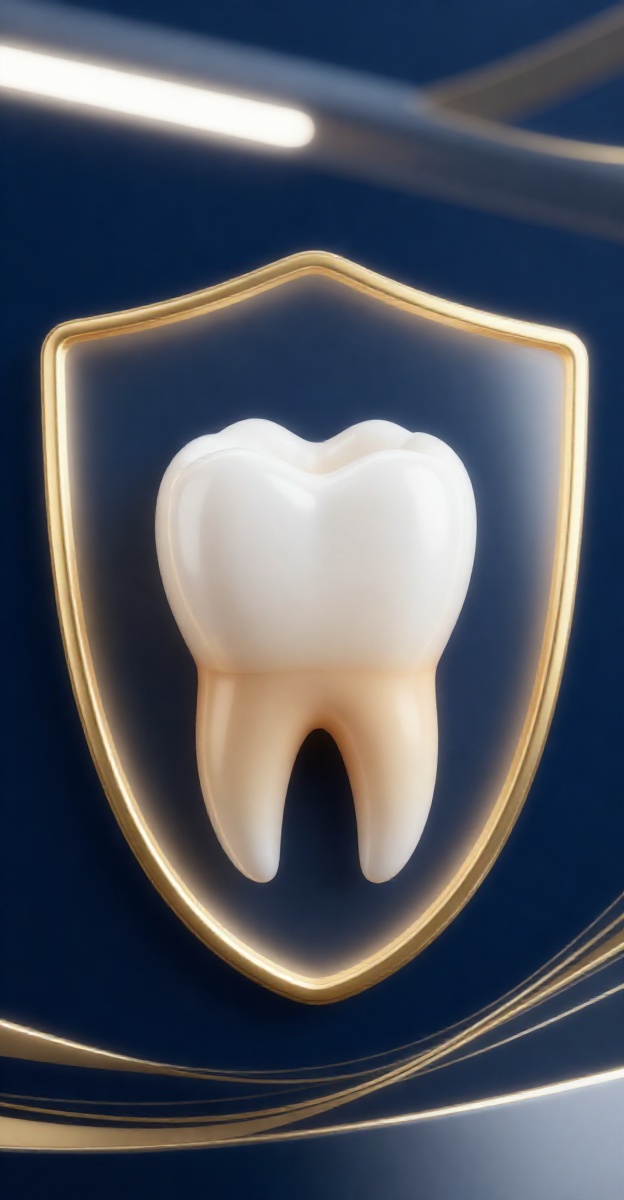
When you hear the words “root canal treatment,” do you instinctively flinch? You’re not alone. For decades, root canal treatment has been unfairly demonized as one of the most painful dental procedures imaginable. But here’s the truth that every endodontist wishes more patients knew: modern root canal treatment in Kanpur is virtually painless, often completed in a single sitting, and it could save your natural tooth for a lifetime.
Root canal treatment (RCT) is a specialized dental procedure designed to save a severely damaged or infected tooth from extraction. Inside every tooth lies a soft tissue called the dental pulp, which houses nerves, blood vessels, and connective tissue. When deep decay, cracks, or trauma allow bacteria to invade this pulp, the result is intense pain, swelling, and eventually, tooth death. RCT removes the infected pulp, cleans and disinfects the root canals, and seals the tooth to prevent reinfection.
According to the American Association of Endodontists (AAE), more than 15 million root canal treatments are performed annually, with a success rate exceeding 95%. Yet despite these impressive numbers, surveys consistently reveal that 60-70% of patients delay or avoid RCT due to fear—most of which stems from outdated myths rather than current clinical reality. At The Crown Multispeciality Dental Clinic & Implant Center in Kidwai Nagar, Kanpur, we’ve made it our mission to change that narrative with cutting-edge technology and genuinely painless, single-sitting RCT procedures.
Today’s endodontic procedures bear little resemblance to the agonizing experiences of decades past. Advanced rotary nickel-titanium instruments, digital imaging, and modern local anesthesia protocols have transformed RCT into a procedure that most patients describe as no more uncomfortable than a routine filling. Let’s separate the facts from the fiction and discover why root canal treatment might be the best thing you ever do for your smile.
7 Warning Signs You May Need Root Canal Treatment
Your body has an excellent way of signaling when something is wrong. The problem is that many patients dismiss early symptoms, allowing the infection to progress to a stage where treatment becomes more complex. Recognizing these signs early and seeking root canal treatment in Kanpur promptly can make the difference between saving your natural tooth and losing it forever.
- Severe, persistent toothache — Pain that lingers for more than 30 seconds after removing hot or cold stimuli, or throbbing pain that disrupts sleep, is a hallmark sign of pulp inflammation that requires RCT.
- Prolonged sensitivity to temperature — If sipping hot tea or eating ice cream sends shooting pain through a specific tooth that doesn’t subside quickly, the nerve inside may be irreversibly damaged.
- Tooth discoloration — A tooth that turns gray, dark yellow, or brown indicates internal tissue death. The discoloration happens when dying pulp tissue breaks down and stains the dentin from within.
- Swollen or tender gums — A pimple-like bump (fistula) on the gums near the affected tooth, or localized swelling and tenderness, signals that infection has spread beyond the root tip.
- Pain when chewing or touching the tooth — If even gentle pressure causes sharp pain, the ligament surrounding the tooth root is likely inflamed by spreading infection.
- Cracked or chipped tooth — Trauma that creates a crack deep enough to expose the pulp allows bacteria direct access, necessitating RCT to prevent or treat infection.
- Deep decay reaching the pulp — Sometimes there’s no pain yet, but a dental X-ray reveals decay that has penetrated through the enamel and dentin into the pulp chamber. Early intervention prevents future abscesses.
5 Biggest Myths About Root Canal Treatment—Busted
Misinformation about root canal treatment has caused countless patients to choose extraction over saving their natural teeth. Let’s dismantle the five most dangerous myths one by one, backed by clinical evidence and expert consensus from the AAE and leading endodontic institutions worldwide.
| # | ❌ The Myth | ✓ The Fact |
|---|---|---|
| 1 | “Root canal treatment is extremely painful and worse than childbirth.” | Modern RCT is virtually painless. With advanced local anesthesia and rotary instruments, most patients report pain levels of 1-2 on a 10-point scale—comparable to a routine filling. A 2024 study published in the Journal of Endodontics found that patients who underwent RCT rated their pain at 1.6/10 on average, while those who had a tooth extraction rated it at 3.8/10. The pain you feel before RCT from the infection is far worse than the procedure itself. |
| 2 | “Root canals cause systemic illness and heart disease.” | This myth traces back to a debunked 1920s study by Weston Price that claimed root canal-treated teeth cause chronic disease. Modern research has thoroughly discredited this. A 2019 study published in JAMA Internal Medicine involving over 1.1 million patients found that patients who received root canal treatment had lower risks of cardiovascular disease compared to those who had teeth extracted. The AAE confirms: there is no valid scientific evidence linking RCT to systemic disease. |
| 3 | “It’s better to just pull the tooth—extraction is simpler and cheaper.” | Saving your natural tooth through RCT preserves jawbone structure, maintains proper bite alignment, and prevents the domino effect of shifting teeth. Extraction requires a dental implant or bridge later, costing 2-3x more over time. A root canal-treated tooth can last a lifetime with proper care. The AAE states: “Nothing looks, feels, or functions like your natural tooth.” |
| 4 | “Root canal treatment requires multiple painful visits over weeks.” | With modern single-sitting RCT technology—including rotary nickel-titanium files, electronic apex locators, and advanced irrigation protocols—most straightforward cases are completed in one appointment of 60-90 minutes. Complex cases may require 2 visits, but the days of 4-6 visit treatment sequences are over. Learn about our single-sitting RCT → |
| 5 | “A root canal-treated tooth is weak and will break anyway.” | While it’s true that a tooth becomes more brittle after RCT (since it no longer has a blood supply), a properly placed dental crown protects and strengthens the tooth, making it fully functional for decades. Studies show crowned RCT-treated teeth have a 92% survival rate at 8 years. The key is getting the permanent crown placed promptly after treatment. |
The Data Speaks: Pain Levels Compared
Still skeptical? Let’s look at the numbers. This chart compares patient-reported pain scores across common dental procedures, based on aggregated data from multiple clinical studies and patient surveys conducted between 2020-2024.
Patient-reported pain scores (0-10 scale) across dental procedures. Data compiled from Journal of Endodontics, JADA, and Cochrane Reviews (2020-2024).
“The greatest myth in dentistry is that root canals are painful. The truth is that the infection is what hurts—the treatment is what heals.
— Dr. Priyanka Chaturvedi, Chief Endodontist, The Crown Multispeciality Dental Clinic & Implant Center
Single-Sitting RCT: The Modern Marvel of Endodontics
If the idea of returning to the dentist multiple times for a single tooth has been holding you back, you’ll be relieved to know about painless RCT single sitting technology. This revolutionary approach condenses the entire root canal procedure into a single appointment, typically lasting between 60 to 90 minutes, depending on tooth complexity.
How Single-Sitting RCT Works
Single-sitting RCT leverages advanced technologies that weren’t available even a decade ago:
- Rotary Nickel-Titanium Files: Flexible, motor-driven instruments that shape canals 3x faster than manual filing, with superior precision and reduced risk of breakage.
- Electronic Apex Locator: Digital device that precisely measures root canal length without additional X-rays, ensuring complete cleaning to the root tip.
- Advanced Irrigation Systems: Ultrasonic activation of disinfectant solutions eliminates 99.9% of bacteria in a single session, eliminating the need for inter-visit medication.
- Warm Vertical Compaction: Heated gutta-percha fills canal irregularities completely in one step, creating a hermetic seal that prevents reinfection.
A landmark 2023 study in the International Endodontic Journal compared single-visit versus multi-visit RCT outcomes across 450 patients. The results were striking: single-sitting RCT showed equal or better healing rates (94.2% vs 92.8%), significantly reduced patient anxiety, fewer missed work days, and lower overall treatment costs. The study concluded that for straightforward cases, single-visit RCT is the preferred approach.
Step-by-Step: The Root Canal Treatment Process
Understanding what happens during your RCT appointment removes fear of the unknown. Here’s exactly what to expect during your visit to The Crown Dental Clinic:
1Diagnosis & Digital Imaging
Your endodontist examines the tooth, reviews digital X-rays or CBCT 3D scans, and performs sensitivity tests to confirm that RCT is necessary. The 3D imaging allows precise mapping of canal anatomy, identifying hidden canals that older 2D X-rays might miss.
2Local Anesthesia & Isolation
A comfortable rubber dam is placed around the tooth to keep it dry and prevent contamination. Local anesthesia is administered—modern delivery systems make this virtually painless, even on an already sensitive tooth. Most patients feel only mild pressure, not pain.
3Access Opening
A tiny opening is made through the crown of the tooth to access the pulp chamber. Using high-speed, water-cooled diamond burs, the dentist creates a precise access cavity that preserves maximum tooth structure.
4Cleaning & Shaping
The infected pulp tissue is removed using rotary nickel-titanium files. The canals are progressively enlarged and shaped to receive the filling material. Electronic apex locators ensure precise measurement, and continuous irrigation with antibacterial solutions eliminates all debris and bacteria.
5Sealing the Canals
The cleaned, shaped canals are filled with gutta-percha—a biocompatible rubber-like material—using warm vertical compaction. This creates a hermetic seal that prevents bacterial re-entry. A temporary or permanent filling seals the access opening.
6Crown Placement
Within 2-4 weeks, a custom dental crown is fabricated and placed over the treated tooth. The crown protects the tooth from fracture, restores full function, and blends seamlessly with your natural smile. This final step is critical for long-term success.
Post-Treatment Recovery: What to Expect
One of the most reassuring aspects of modern RCT is the smooth recovery process. The vast majority of patients return to their normal routine the same day. Here’s a realistic timeline of what to expect after your procedure:
| Timeframe | What You’ll Feel | What to Do |
|---|---|---|
| First 2-4 hours | Numbness from anesthesia. No pain while numb. | Avoid eating on the treated side. Don’t bite lip/cheek while numb. |
| First 24-48 hours | Mild tenderness, slight sensitivity to pressure. Pain score typically 2-3/10. | Take prescribed or OTC pain relievers (ibuprofen 400mg). Soft diet. Avoid chewing hard foods on that side. |
| Days 3-7 | Tenderness gradually subsides. Most patients report no pain by day 3. | Normal eating resumes. Maintain excellent oral hygiene. Brush and floss gently around the area. |
| Week 2+ | No discomfort. Tooth feels normal. | Return for permanent crown placement. After crowning, full function is restored. |
Red flags that warrant a call to your dentist include: severe pain that worsens after 48 hours, visible swelling that increases, fever, or an allergic reaction to medications. These are rare but should be addressed promptly.
Root Canal Treatment Cost in Kanpur
Transparent pricing is part of our commitment to patient trust. At The Crown Multispeciality Dental Clinic & Implant Center, root canal treatment costs vary based on tooth position and complexity, but all options are designed to be accessible:
We believe quality dental care should be accessible to everyone. That’s why we offer EMI payment options through leading providers, allowing you to spread the cost over manageable monthly installments. Learn about our EMI plans → Full cost details are available on our pricing page, and we provide detailed written estimates before any treatment begins—no hidden charges, ever.
Root Canal Treatment vs. Tooth Extraction: The Real Comparison
When faced with a damaged tooth, patients often ask: “Should I save it or pull it?” The answer is almost always to save your natural tooth. Here’s a detailed comparison showing why RCT is the superior choice for long-term oral health:
| Factor | Root Canal Treatment | Extraction + Implant |
|---|---|---|
| Long-term Cost | ₹3,000 – ₹8,000 (RCT) + ₹3,000 – ₹10,000 (Crown) | ₹1,000 (Extraction) + ₹25,000 – ₹40,000 (Implant) + ₹5,000 (Bone graft if needed) |
| Number of Visits | 1-2 visits for RCT + 1 for crown | 1 for extraction + 3-4 for implant placement and restoration |
| Total Treatment Time | 2-4 weeks | 4-9 months (including healing) |
| Jawbone Preservation | Preserved—root remains in bone | Bone resorbs without root; graft may be needed |
| Chewing Function | 100% natural function restored | ~85-90% of natural function |
| Bite Alignment | Maintained | Risk of adjacent teeth shifting |
| Success Rate | 92-97% (AAE data) | 90-95% (implant-specific) |
| Aesthetic Result | Natural tooth with crown—indistinguishable | Implant crown—very good but prosthetic |
Frequently Asked Questions About Root Canal Treatment
Is root canal treatment really painless?
How long does a single-sitting RCT take?
Will my tooth look different after root canal treatment?
Can I drive myself home after the procedure?
What happens if I don’t get a root canal when I need one?
Is the cost of root canal treatment covered by insurance?
Save Your Natural Tooth Today
Don’t let fear or myths cost you your smile. Experience genuinely painless, single-sitting root canal treatment at The Crown Multispeciality Dental Clinic & Implant Center. Book your free consultation now and take the first step toward lasting dental health.
Key Takeaways
Root canal treatment in Kanpur has evolved dramatically. Here’s what every patient should remember:
- Modern RCT is virtually painless—rated 1-2/10 on pain scales by most patients, comparable to a routine filling.
- Single-sitting RCT condenses the entire procedure into one 60-90 minute appointment using rotary instruments and advanced technology.
- Saving your natural tooth through RCT is always preferable to extraction—it’s more cost-effective, faster, and preserves jawbone and bite alignment.
- The 95%+ success rate of RCT means your treated tooth can last a lifetime with proper care and a well-fitted crown.
- Early intervention is key—the sooner you treat an infected tooth, the simpler, faster, and more affordable the treatment.
Related Articles
Gum Disease Prevention Kanpur: Complete Guide to Healthy Gums
Oral Health & Hygiene • 12 min read Gum Disease Prevention in Kanpur:The Complete Guide to Healthy Gums…
Kids Dental Health: A Parent’s Complete Guide to Pediatric Dentistry and Preventive Care
Pediatric Dentistry • 12 min read Kids Dental Health: A Parent’s Complete Guide to Pediatric Dentistry and Preventive…

Smile Makeover Guide: How Veneers, Whitening & Cosmetic Dentistry Can Transform Your Smile
★ Celebrating 5 Years of Clinical Excellence Smile Makeover Guide: How Veneers, Whitening & Cosmetic Dentistry Can Transform…